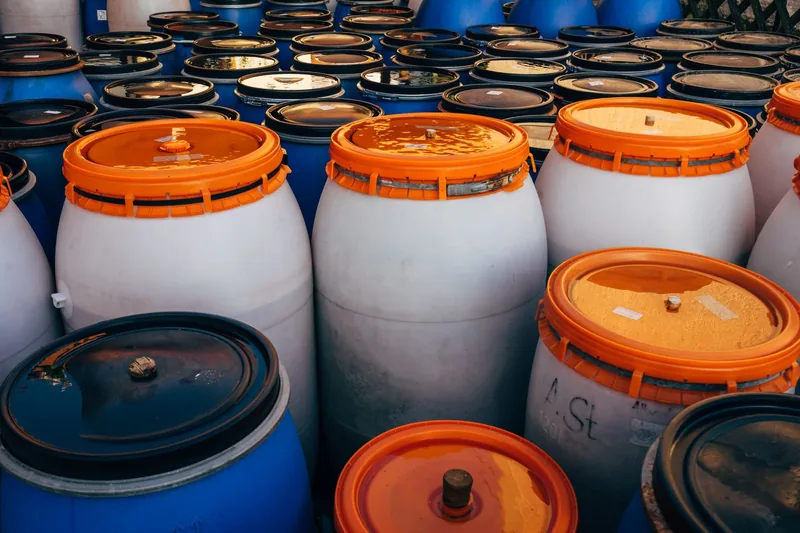
Hazmat Cleanup
Protective equipment suited to hazardous materials is used during hazmat cleanup.
See hazmat cleanupGet tear gas and pepper spray residue removed from a home, apartment, rental, vehicle or business after the property is released. Cleanup can include surfaces, contents, filters, vents and affected porous materials.
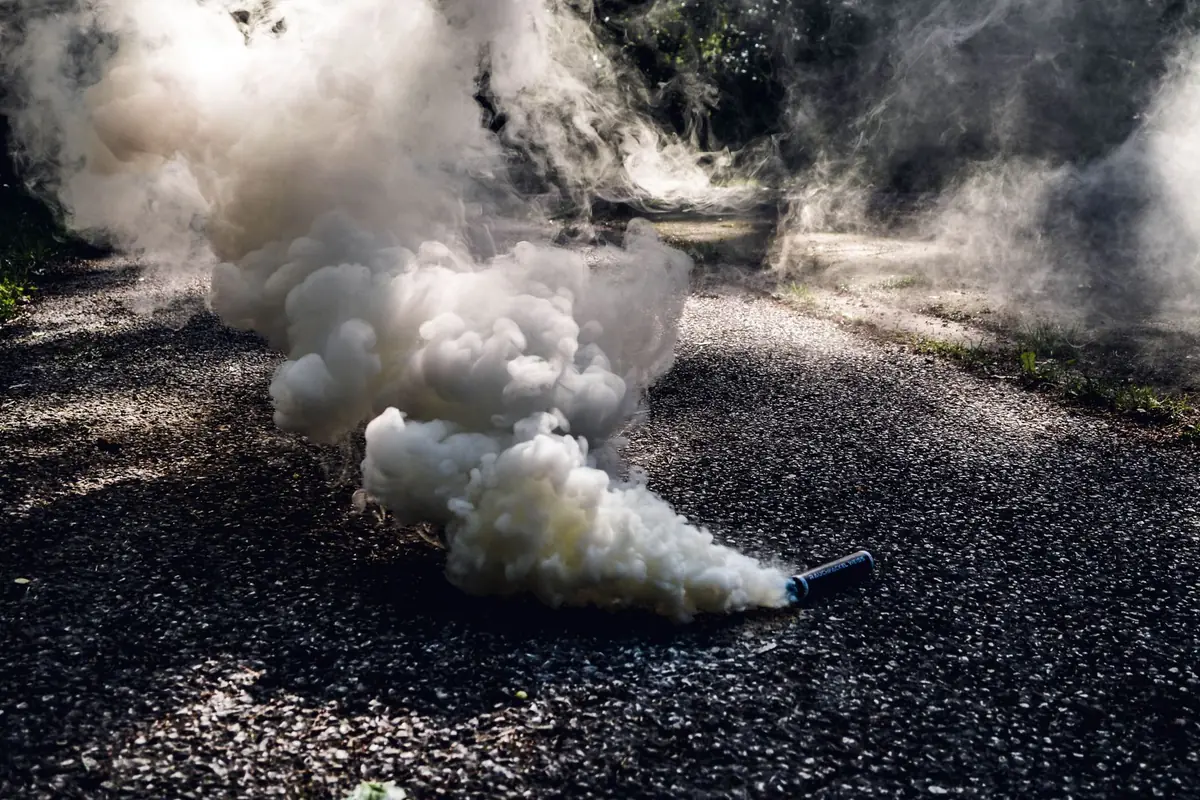
Tear gas cleanup is a controlled service that clears chemical irritant deposits following pepper spray use, a crowd-control event or law enforcement activity inside businesses, vehicles, rentals and homes.
Fine particles can stay on personal belongings, furniture, counters, flooring and walls even after visible smoke is gone. Nearby materials may also hold a film from pepper spray. Residue can reach places outside the original release when someone walks through the space, carries items away or turns on the air system.
The first professional assessment maps the affected areas and, if the information exists, identifies the released product. With protective equipment in place, trained technicians divide the site into work zones and remove particles that are loose. Washable surfaces are addressed in a controlled order, with additional cleaning where deposits remain. The plan also accounts for ducts, ventilation, air filters, fabric or other soft materials and possessions that resist washing. Any accompanying blood or bodily fluid may add biohazard remediation to the job.

Calls are answered overnight and during the day, and unmarked vehicles help crews respect your privacy in a stressful time.
The cleaning process starts only after you know which air-system components, contents, rooms and surfaces are included, allowing you to compare scopes and make an informed choice.
Personal property is sorted by material and condition so you understand what can be cleaned, isolated or removed.
The affected area stays divided from clean pathways, reducing spread into surrounding rooms as cleanup technicians relocate equipment and materials.
Tear gas removal becomes necessary after residue lands inside an occupied vehicle or property. Because the irritant may travel, the scope has to reflect its full path. Typical situations include:
Law enforcement has released a home or business after a standoff, forced entry or other incident where a chemical irritant was used indoors.
A bedroom, living area or hallway was exposed to self-defense spray, with residue reaching items and surfaces close by.
Residue in one unit may have reached a shared hallway, ventilation opening or neighboring space and needs a defined cleaning scope.
Irritant discharged in a car may coat trim, ventilation surfaces, seating, controls and carpet throughout the enclosed cabin.
Protect yourself by exiting the exposure area and avoiding actions that may spread the irritant. Ask loved ones to stay clear and give trained professionals an account of what happened. Take the following steps ahead of cleanup:
Call (888) 440-9227A tear gas cleanup cost guide from crimescenecleanup.com lists $1,500 to $4,000 for a small apartment, $3,000 to $10,000 for a single-family home and $10,000 to $50,000 for a commercial property. These are published ranges, not a quote. Property size, air-system involvement, affected materials, time since exposure and the number of cleaning rounds shape the final scope.
These national ranges are taken from published cost guides, rather than a property visit. After an on-site assessment, the price for your property is determined and shared with you before cleanup begins.
Ask about cost: (888) 440-9227Tear gas cleanup may be covered by insurance, depending on your policy terms, the incident's cause and applicable exclusions. Notify the insurance company, then request a decision about coverage for your individual claim.
Gather the incident identifier, release document, pictures, work scope, list of materials, invoices and disposal records in one place. This record can support insurance assistance and help you move forward with the claim.
The landlord or property manager typically coordinates a rental property's evaluation and cleanup. Who must pay may be determined by the circumstances, lease terms and wording of the policy.
If the release followed a qualifying crime, ask whether cleanup assistance applies. Victims of violent crime can ask the Kansas Crime Victims Compensation Board, part of the Attorney General's office, about crime scene cleanup. State law lists cleanup as an allowance expense under the compensation program. Insurance is usually checked first.
While the affected area stays closed, ask whether policy coverage includes temporary housing, chemical residue cleanup, air-system work, personal property and damaged building materials.
Cleanup moves in a controlled order, beginning after the property is released and ending with the final inspection. Decisions throughout the work reflect which rooms were exposed, what materials they contain and how air circulated through the structure.
Cleanup technicians assess the affected area, incident damage, exposed belongings, HVAC configuration, movement routes and original release location.
Your scope identifies isolation areas, cleaning surfaces, belongings for relocation, filters needing attention and any material that could require removal.
Barriers distinguish the cleaning zones from clean areas, and technicians choose protective clothing, breathing protection, gloves and eye protection for the conditions.
Loose residue is collected with controlled methods that limit airborne dust. Cleaning progresses downward to the floor and inward from less affected edges toward the point of release.
Technicians wet-clean compatible surfaces, including cabinets, ceilings, fixtures, floors and walls, in detail. Areas with remaining irritation or visible film receive additional cleaning rounds.
To avoid spreading residue or harming materials unnecessarily, technicians choose methods suited to each washable content item and hard-surface finish.
If the system operated during or following the release, the check includes filters, accessible HVAC surfaces, supply vents and return openings.
Technicians inspect connected spaces, cleaned contents and rooms for any missed deposits, odor that remains or areas needing repeat cleaning.

Call at any time. A tear gas and pepper spray cleanup specialist answers, explains the steps and agrees a start time with you.
Residue left by pepper spray or tear gas may irritate the skin, eyes and breathing passages again once affected material or contaminated dust is moved. Direct questions about severe health concerns to a medical professional.
Open doors, foot traffic and an operating HVAC system can move residue beyond the room where it was released. The check should account for adjacent pathways and return-air openings.
No mixture of household chemicals can safely neutralize an unidentified irritant. It can damage materials or create another hazard, so the cleaning method must match the residue and surface.
Fine particles can remain on shelves, floors, trim and hidden ledges after the air looks clear. Using a regular vacuum or a dry broom can send settled particles back into the air.
Can you clean it yourself? A brief outdoor exposure and an indoor release are different situations. Do not treat indoor tear gas residue as ordinary dust or rely on fragrance to hide it. Keep the area closed, avoid DIY experiments and ask for a scope that covers surfaces, contents and the air system.
One or multiple visits may be needed for tear gas cleanup, and the site assessment is what supports a responsible schedule. Work limited to a hard surface is usually simpler than a property where several rooms, porous contents or the air system are affected. Removal of drywall, carpet or other building components may be followed by restoration services.
| Scene | Typical time on site |
|---|---|
| Limited release on hard surfaces | A focused cleaning visit may be enough when the residue remained in a single area |
| Home with contents or HVAC involvement | Plan for area isolation, detailed surface work and repeat cleaning |
| Large commercial or multi-room property | A phased schedule lets technicians check each room before that area returns to use |
Removing residue is the starting point for odor control. A coat of paint, added fragrance or brief ventilation might conceal the smell while irritant particles remain on fabrics, shelving, walls and other affected locations. Even when little odor is noticeable, you cannot assume the space is ready to occupy.
Air quality work should be directed along the route contamination followed. Possible steps include replacing impacted filters, using controlled ventilation, cleaning around supply vents and returns and addressing dust on air-system surfaces that can be accessed. HEPA air cleaning can play a supporting role. It cannot take the place of surface cleaning or removal of affected materials.
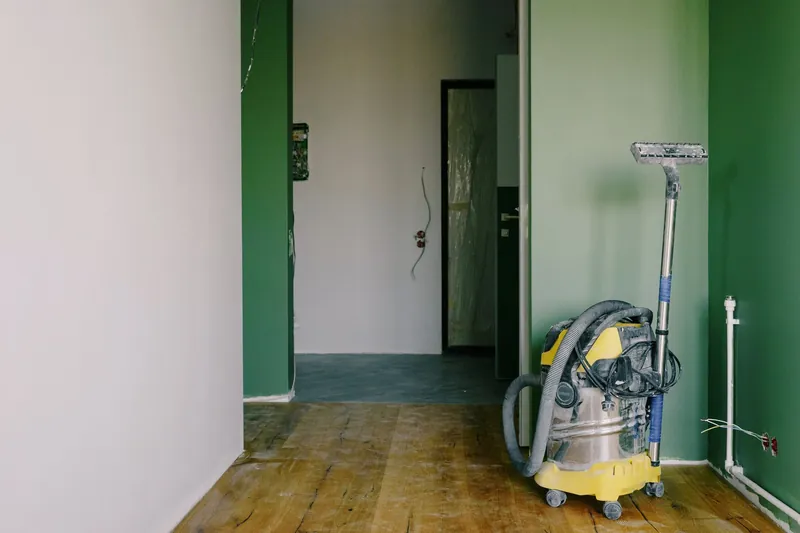
Law enforcement controls access while an incident remains active or evidence is being collected. Only after release should anyone enter the site, shift property or begin the cleanup.
To identify the substance and match methods to each surface, technicians can use any available product details, safety information and canister labeling. Reading a device is not a reason to touch it.
Waste classification depends on the material and residue involved. Whether removed items count as hazardous waste, and which waste disposal route applies, depends on local regulations. (Kansas regulates waste that could cause disease or injury as medical services waste, a form of solid waste. Kansas Department of Health and Environment rules control its handling and processing, so it cannot go in household trash.)
If cleanup also includes blood or bodily fluids, federal OSHA Bloodborne Pathogens Standard 29 CFR 1910.1030 sets worker protection, training and handling requirements.
The full tear gas and pepper spray cleanup guide covers what is cleaned or removed, odor and air quality work, and the rules that apply in your state.
Read the full tear gas and pepper spray cleanup guide
Containment, entry and cleanup plans can be influenced by local housing, population and access details.
Rental households account for 32.7% locally, which can add access questions when the affected room is inside a managed property.
A 1986 median build year points to varied interior finishes, so each affected material needs its own cleaning or removal decision.
With 32.9% of seniors living alone, an unattended illness or death may go unnoticed, increasing the area affected by fluids and odor.
The 76.9% single-family share means odor may move through connected rooms and ventilation even without shared walls between households.
Ask on the call about cleanup options for neighboring communities and ZIP codes.
Protective equipment suited to hazardous materials is used during hazmat cleanup.
See hazmat cleanup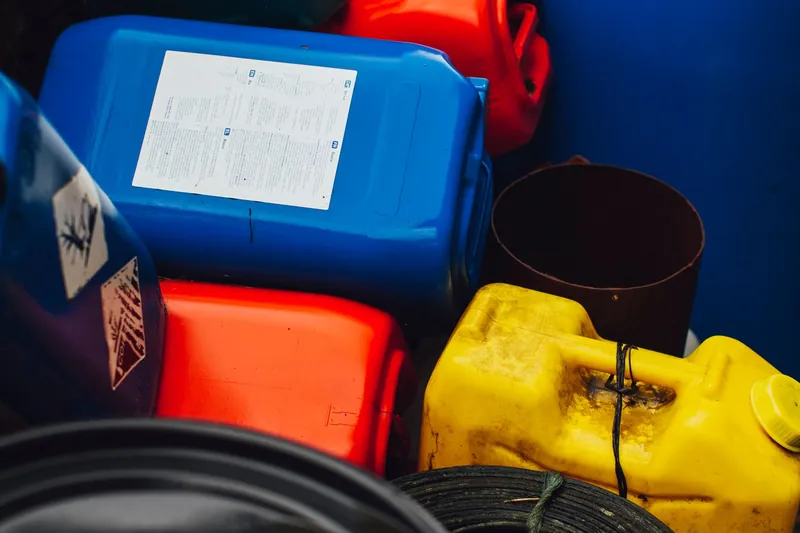
Waste cleanup removes toxic and chemical material for safe disposal.
See chemical and toxic waste cleanup
After the property is released by police, crime scene cleaning removes blood and controls odor.
See crime scene cleanup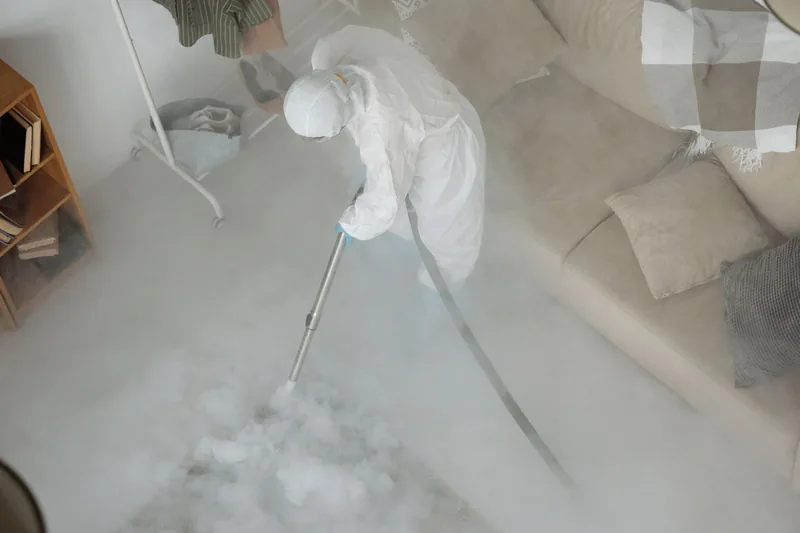
Complete decontamination treats the room, its surfaces and the air after a hazardous or infectious exposure.
See biohazard decontamination
Planning for industrial and commercial biohazard cleanup considers operations and access to the site.
See commercial and industrial biohazard cleanup
Biohazard cleanup addresses Airbnb accommodations, hotels and other rental units.
See hotel, Airbnb and rental biohazard cleanup
Biohazard cleanup treats cars, trucks, boats and RVs.
See vehicle biohazard cleanup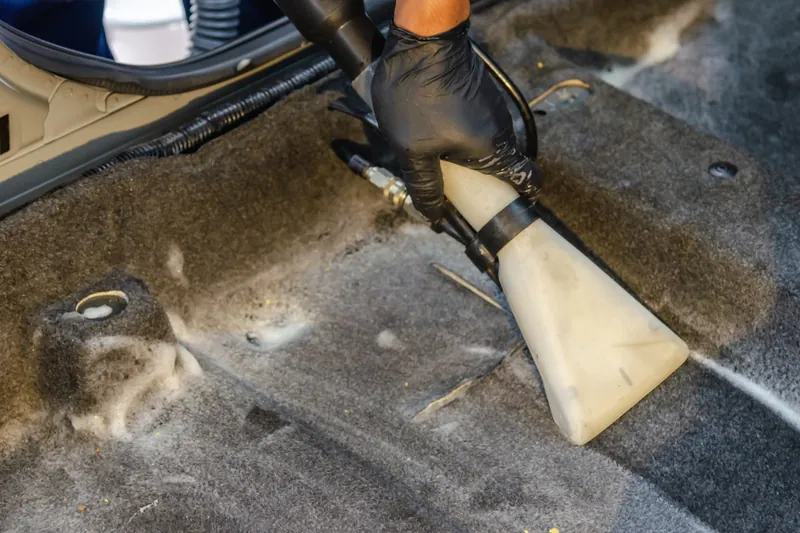
Carpet and upholstered items receive biohazard cleaning or are removed safely if necessary.
See biohazard carpet and upholstery cleaningCarpet, upholstery, curtains and other porous items can retain residue after it settles. Items that tolerate washing can sometimes be treated individually, whereas severely affected material may have to be taken out. Material type, item condition, level of exposure and access to residue without causing damage or contamination spread determine the choice.
Your coverage is determined by the cause of release, the policy terms and relevant exclusions. Report the incident to your insurance company. Ask about temporary housing, air-system work, personal property, affected building materials and cleaning the chemical residue. Keep the police release, photographs, scope, invoices and disposal records for the insurance company.
Go from the affected area to fresh air outdoors. Follow emergency personnel guidance, keep children and animals outside and avoid all contact with any canister. Call 911 for severe breathing trouble or another medical emergency. If law enforcement has secured the site, await official release prior to moving items or scheduling tear gas cleanup.
According to crimescenecleanup.com, tear gas cleanup cost runs $1,500 to $4,000 in a small apartment, $3,000 to $10,000 in a house and $10,000 to $50,000 in a commercial building. Property dimensions, HVAC impact, exposed materials, time after release and repeat cleaning all shape the eventual scope.
How long work takes is shaped by the number of affected spaces, HVAC use, volume of personal property and need for repeat cleaning. Work may move faster for a contained release on washable surfaces than for a business or multi-room residence where residue reached upholstery, carpet and HVAC parts.
Yes. Operation of heating, ventilation or cooling equipment during or after the incident can draw in residue. The check needs to include filtration, return openings, air-supply vents and adjoining rooms. Treating the air by itself is insufficient. At the source, surface deposits and contaminated materials must still be removed or properly cleaned.
Discreet, respectful tear gas and pepper spray cleanup, 24 hours a day, with crews in unmarked vehicles.